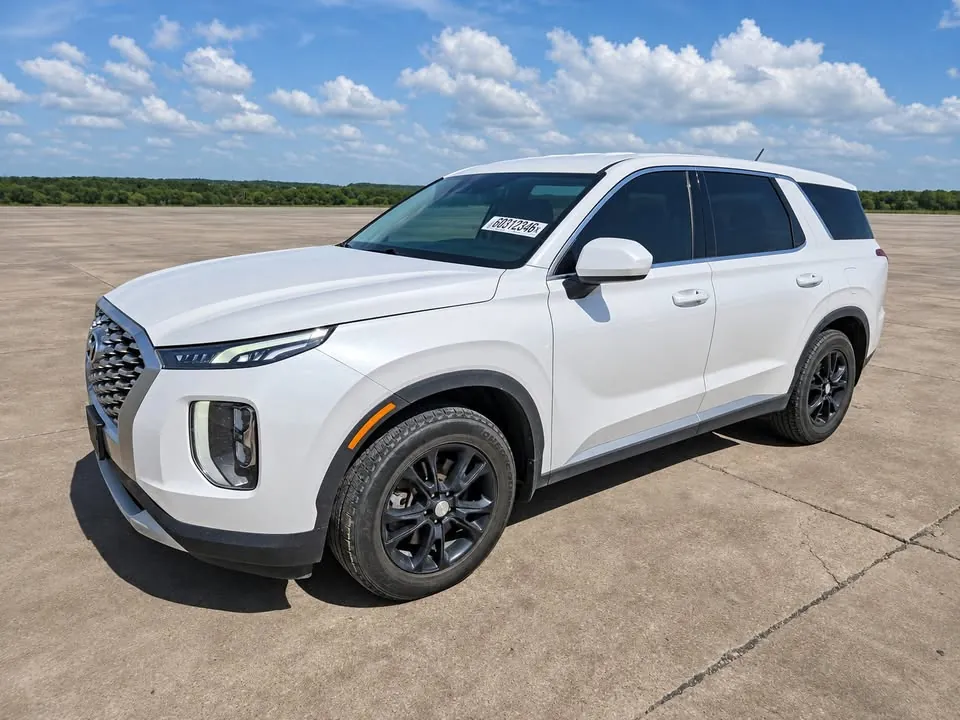
 2021 Hyundai Palisade SE AWD
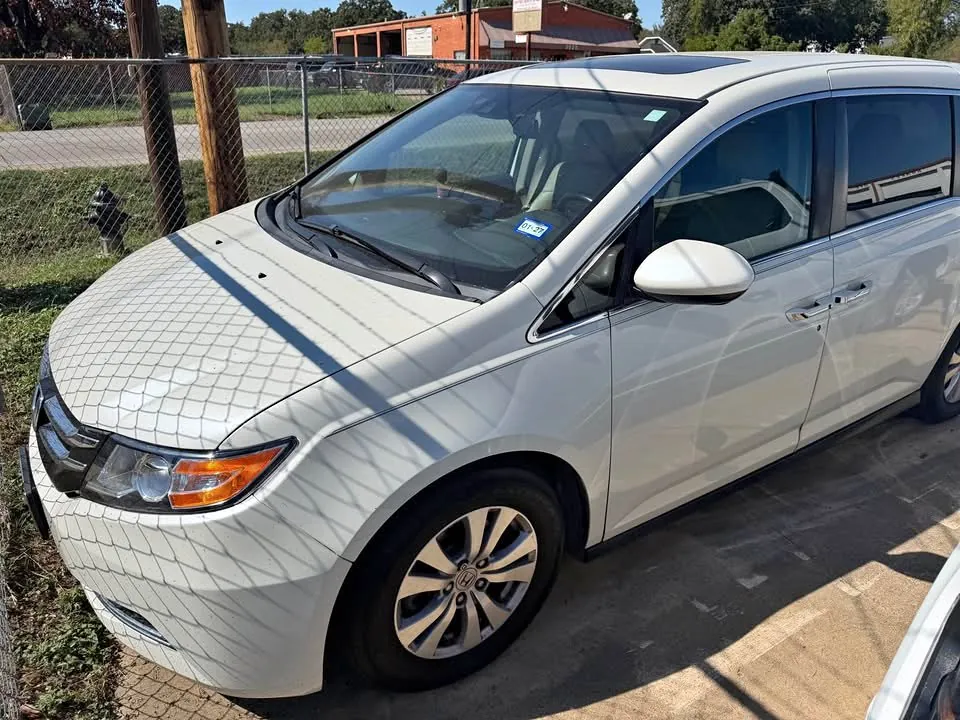 2015 Honda Odyssey EX-L
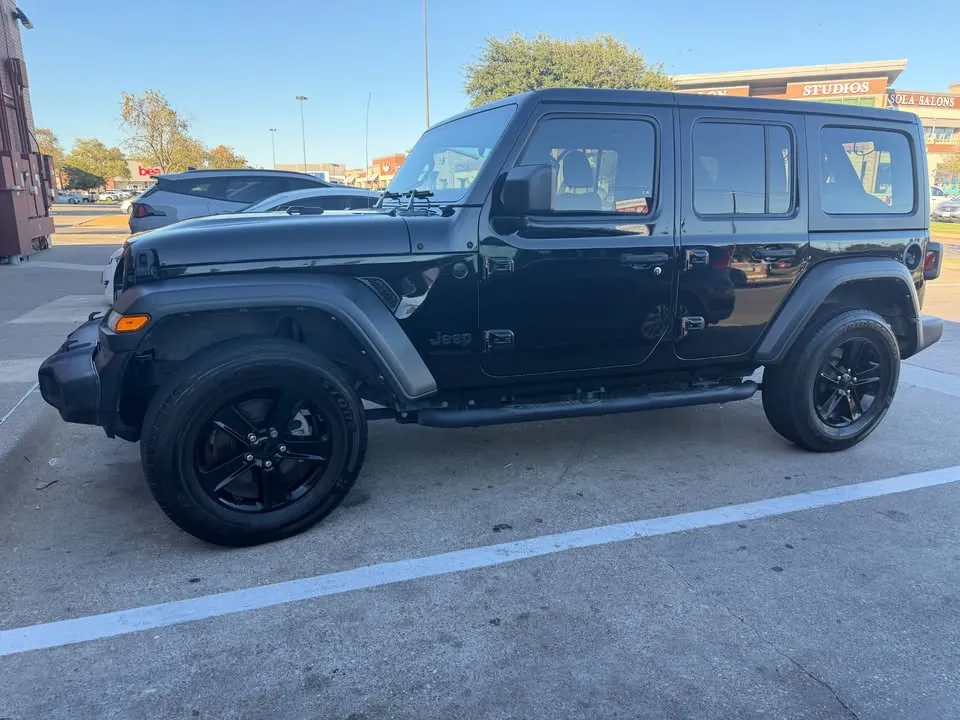 2021 Jeep Wrangler Unlimited
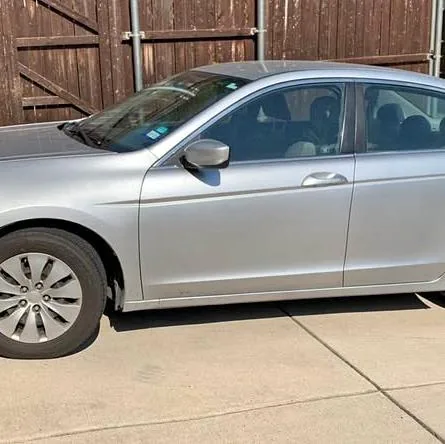 2010 Honda Accord
Driving in DFW · Dallas-Fort Worth
How to look after a car in the Texas summer heat
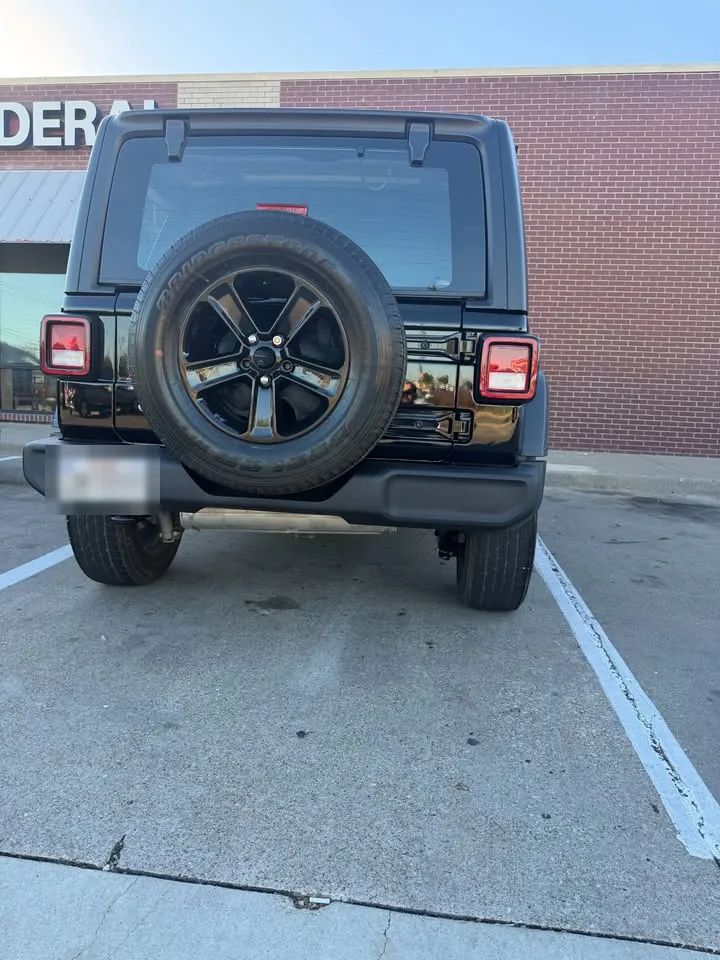
2021 Jeep Wrangler Unlimited Sport Altitude 4x4 from our rental fleet in Frisco, Texas. Photo: Ace Auto Rentals & Sales.
In short
Heat is hardest on a car's battery, tires, cooling system and A/C, and a parked car gets dangerously hot inside within minutes. Check tire pressure monthly when the tires are cold, watch for slow starts and warning lights, keep an emergency kit with water, and never leave a child or pet in a parked car, not even for a minute.
What does Texas summer heat actually do to a car?
Heat wears a car out in four places first: the battery, the tires, the cooling system and the air conditioning. It also turns a parked car into an oven, which is the one risk that can cost a life. Looking after a car in a North Texas summer comes down to a few habits: check tire pressure monthly when the tires are cold, listen for slow starts, keep an eye on the temperature gauge and warning lights, carry water, and never leave a child or a pet in a parked car.
None of this takes tools or a garage. Most of it takes two minutes in the driveway. Below is what to check, how often, what the warning signs look like, and what to do on the highway if something goes wrong. If you rent from us, the last section explains which parts are your job and which are ours. More on getting around the area is in our guides to driving in DFW.
How hot does a parked car get, and how fast?
Faster than most people expect. NHTSA says the temperature inside a vehicle can rise 20 degrees in as little as 10 minutes, and that a child can die in a hot car on a day as cool as 60 degrees. The National Weather Service adds that on an 80 degree day, the inside of a car can pass 100 degrees in 10 to 15 minutes. On a real DFW summer afternoon, it starts much hotter than that.
Cracking the windows does not fix this. Both NHTSA and the Weather Service say it gives little relief, and children's bodies warm three to five times faster than adults' bodies. That is why the rule is simple: nobody stays in a parked car, not for a quick stop at the pharmacy, not with the engine running.
- Stop. Look. Lock. NHTSA's reminder: every time you park, check the back seat, then lock the car.
- Put something you need in the back. A purse, a phone or your work badge next to the car seat makes you open the back door.
- Lock it even if you have no kids. A neighbor's child can climb into an unlocked car and get trapped.
- Keys out of reach. Teach children that a car is not a place to play.
- See a child alone in a car? Call 911 right away.
The same heat matters for things you leave inside. Phones, tablets, aerosol cans, medicine and groceries all suffer. Take them with you.
What should I check, and how often?
The table below lists the checks that matter most in hot weather, how often to do them, and what a problem looks like.
| Check | How often | What a problem looks like | On an Ace rental |
|---|---|---|---|
| Back seat before you lock | Every time you park | Anyone or anything alive left inside | Your job, always |
| Tire pressure (cold) | Monthly and before a long trip | Below the number on the driver's door decal, or a tire pressure light | Check and tell us if one keeps losing air |
| Tire tread and sidewalls | Monthly | Uneven wear, bulges, cracks, cords showing | Call us; we look at it in our shop |
| Temperature gauge | Every drive, a quick glance | Needle climbing past normal, steam, sweet smell | Pull over and call us |
| Battery | Listen at every start | Slow, stuttering crank, dim lights, battery light | Call us before it dies |
| A/C | Every drive | Air blowing warm, odd noise, water dripping inside | Maintenance at our shop |
| Fluids and service | On the maker's schedule | Spots under the car, warning lights, overdue service | Maintenance at our shop |
| Emergency kit | Once, at the start of summer | No water or charger in the car | Your job |
Read it from the left: the first column is what to look at, the third tells you when to act. If you rent, the last column shows that most fixes are one phone call to us rather than a bill.
Why do batteries die in summer instead of winter?
People blame cold mornings, but heat does the slow damage. AAA says most car batteries last three to five years, and hot weather speeds up the wear inside them. The battery often keeps working until one morning it does not, usually after the car has sat in a hot parking lot all day.
Signs to take seriously:
- A slow or stuttering start, especially after the car has been parked a few hours.
- Dim headlights or dash lights at idle that brighten when you rev.
- A battery or charging light on the dash.
- White or green crust on the battery terminals if you can see them.
On a car you own, have the battery tested at the first sign, before a weekend trip. Any parts store or shop can do it in minutes. On a car you rent from us, call us. Keeping the car in working order is our job.
How should I handle tire pressure when it is this hot?
Use the number printed on the decal on the driver's door jamb, not the maximum printed on the tire itself. Measure in the morning before you drive, when the tires are cold. Pressure reads higher after a drive or an afternoon in the sun, and that is normal. Do not let air out of a hot tire to bring it down to the door number; you will end up low once it cools.
Low pressure is the real danger. AAA warns that an under-inflated tire wastes fuel and overheats, which raises the chance of a blowout. Long highway runs on a hot day are where that shows up: think of a drive down I-35 or out to the lake with a full car. Check before those trips. If you are carrying seven passengers and luggage in a three-row vehicle, check the door decal for a separate loaded pressure if the maker lists one.
If the tire pressure light comes on, stop somewhere safe and look at all four tires. A light that comes back on every few days usually means a slow leak, which a shop should find.
What do I do if the car overheats or the A/C quits on the highway?
Do not panic and do not keep driving to "make it home." Follow these steps:
- Turn the A/C off. It adds load to the engine.
- Turn the heater on full, with the fan high. It is miserable, but it moves heat away from the engine.
- Get off the road safely. Use your signal, move to the shoulder or the next exit, and turn on the hazard lights.
- Shut the engine off. Leave the hood closed until it cools if you see steam.
- Never open the radiator or coolant cap while hot. The coolant is under pressure and can burn you.
- Get people out of the heat. If the car is stopped in full sun with no A/C, waiting outside in shade, well away from traffic, may be safer.
- Call for help. On your own car, call your shop or your insurer's help line if your policy has one. On an Ace rental, call us before driving it again.
If only the A/C quits and the engine temperature is normal, the car is usually safe to drive. Open the windows, drink water and get it looked at soon. Driving a long way in a hot car without A/C is tiring, and AAA notes that working A/C helps keep the driver alert.
What should be in a summer emergency kit?
Keep a small bag in the trunk from spring through fall. AAA suggests:
- Water for everyone you usually carry, plus some non-perishable snacks.
- A phone charger that works with the car.
- Jumper cables.
- A flashlight with spare batteries.
- Flares or a warning beacon to make a stopped car visible.
- Basic hand tools and a first-aid kit.
Add a windshield sunshade and a hat. A sunshade keeps the steering wheel and seat belts from getting too hot to touch and helps protect the dashboard over a long summer.
A few parking habits help too. Park in a garage or in shade when you can, face the windshield away from the afternoon sun, and run the A/C on recirculate once the cabin has cooled to take load off the system. When you start a car that has been sitting in the sun, open the windows for the first minute to let the hottest air out.
How Ace Auto Rentals helps
We are a family business that has served Dallas-Fort Worth since 1987, and our cars are kept in Frisco. Every plan, from a month-to-month rental to a three-year contract, includes maintenance at our own shop, registration, and 1,250 miles a month. That means the summer jobs that cost money on a car you own, such as a worn battery, a tired A/C or due service, are handled by us. Your part is the free stuff: checking tire pressure, glancing at the gauges, calling us when something feels off, and checking the back seat.
Families who spend summer on the road often pick one of our eight-seat cars. The 2021 Hyundai Palisade SE AWD and the 2015 Honda Odyssey EX-L both carry eight; our minivan or three-row SUV guide helps you choose. Planning a long trip? See whether 1,250 miles a month is enough for your summer, and how toll roads work in a rental if you will use the tollways.
When you pick up a car, walk around it with us and note tires and A/C as part of our pickup inspection checklist. For the full picture of who pays for what during the rental, read who pays for maintenance and repairs, and see how our plans work. To rent, you need a valid driver's license, full-coverage insurance, a $500 refundable deposit and the first month's rent; prices are plus applicable tax.
Want a well-kept car for the summer without owning the repairs? Call (917) 539-0421, see our monthly car rental plans, or ask about a car for this summer. We answer every question before you sign, and if your summer plans are still taking shape, ask about this car and we will tell you what is available.
Questions people ask next
Is it safe to leave a pet in the car with the windows cracked?
No. The National Weather Service says cracking the windows gives little relief, and on an 80 degree day the inside of a car can be over 100 degrees in 10 to 15 minutes. Take your dog with you or leave it at home. If you see a child or a pet alone in a hot car, call 911.
Should I let air out of my tires when it is hot?
No. Set pressure to the number on the driver's door decal, measured when the tires are cold, such as first thing in the morning. Pressure reads higher after driving or sitting in the sun, and that is expected. Letting air out of hot tires can leave them under-inflated, which builds more heat and raises the risk of a blowout.
What does the temperature gauge in the red mean?
The engine is overheating. Turn off the A/C, turn the heater on full to pull heat away from the engine, and pull over somewhere safe as soon as you can. Shut the engine off and do not open the radiator cap while it is hot. On an Ace rental, call us before driving it again.
Do sunshades and window tint really help?
A windshield sunshade keeps the steering wheel, seats and dashboard cooler and protects the dash from cracking and fading over a long summer. Tint also cuts heat, but Texas law sets limits on how dark it can be, so check before adding any. On a rental car, ask us before changing the car in any way, including tint.
Who pays if the A/C stops working in my Ace rental?
Maintenance on our cars is done at our own shop and is part of every plan. If the A/C blows warm, a warning light comes on or the car feels different, call us and we will tell you when to bring it in. What counts as maintenance versus damage is spelled out before you sign.
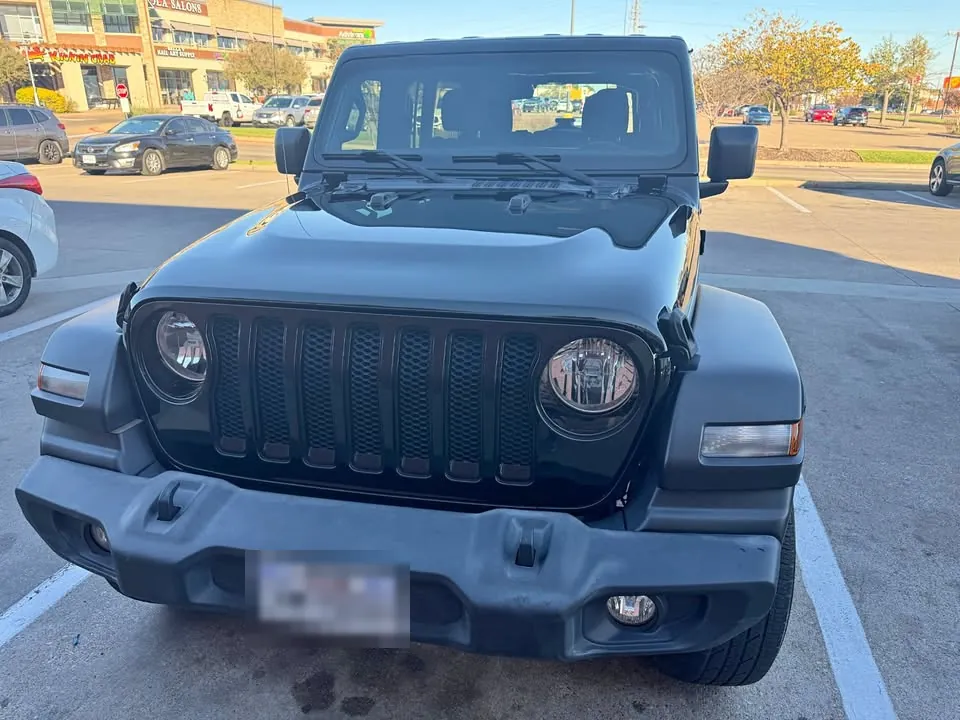 Driving in DFW
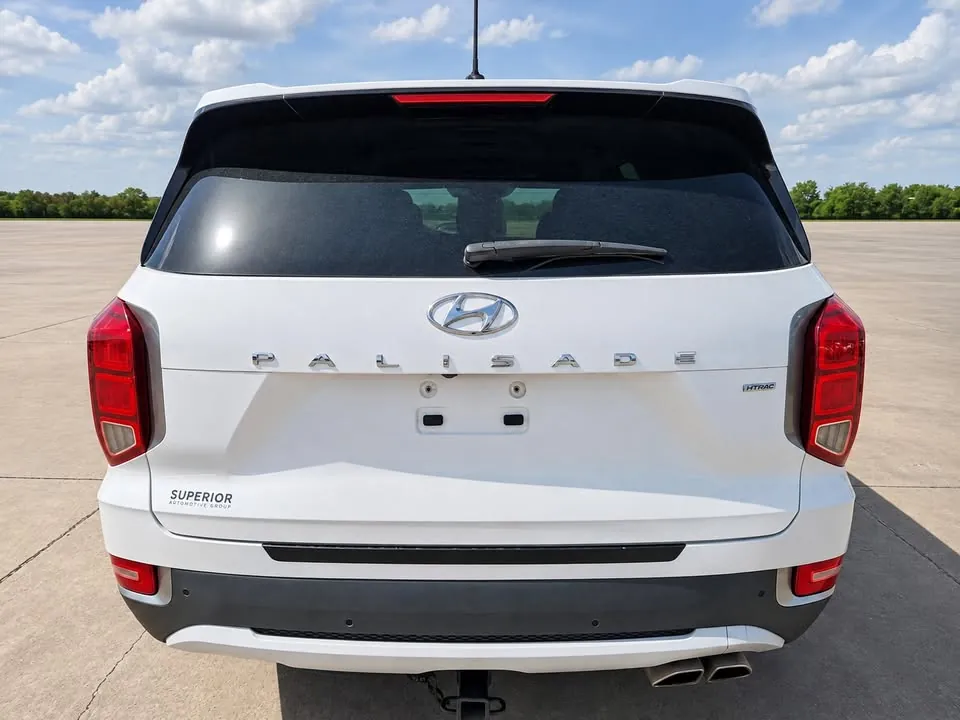 Driving in DFW
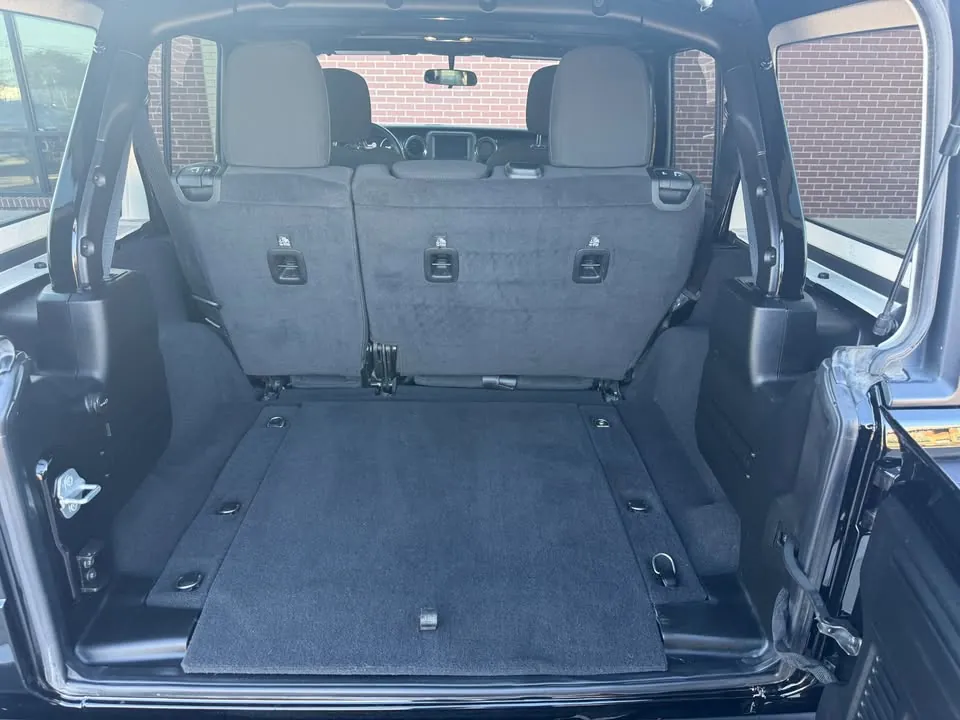 Driving in DFW